
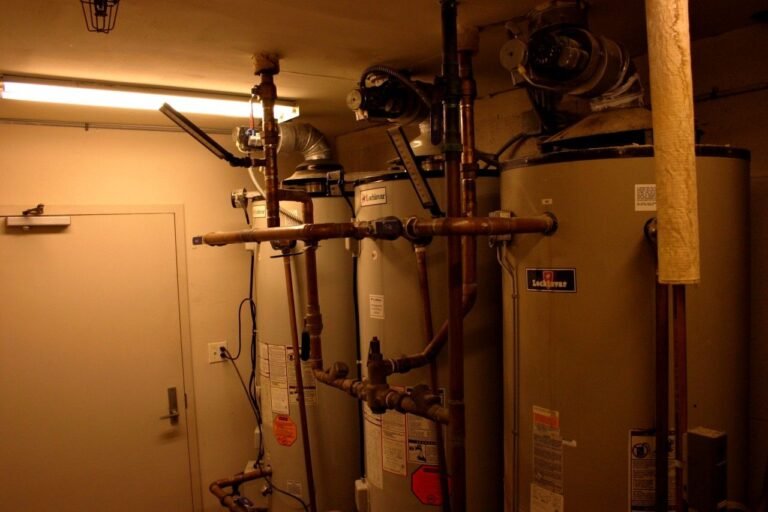
Water Heater Leaking in Fort Collins? How to Find the Source and What to Do
Water heater leaking from the top, bottom or relief valve? Find the source, what to do now and when it means a new tank.
Photo: Wikimedia Commons, CC BY-SA 3.0, via Wikimedia Commons
Most water heater leaks come from a fitting, a valve or condensation, not the tank itself, so find where the water is before you assume the worst. Top leaks usually start at a pipe connection, the relief valve or the anode port; bottom leaks can be the drain valve, the relief valve’s discharge pipe, condensation or a rusted-through tank, which cannot be repaired. Fort Collins Water Heater Pros fixes leaking water heaters in Fort Collins, Loveland and across Larimer County.
Call (970) 305-5633 if water is pooling around your water heater. Leaking tanks are scheduled first.
Call nowWater heater leaking: what to do right now
Close the cold-water valve above the heater, turn off the gas or power, and keep everyone away from hot water. Our emergency water heater repair page has the full shutoff guide.
- Smell gas? Leave first and call your gas utility or 911 from outside. Do not touch switches or relight anything.
- Close the cold-water supply valve on the pipe feeding the top of the heater. Code requires one at or near every water heater.
- Turn off the heat: set the gas control knob to OFF and close the gas shutoff valve, or switch off an electric heater’s breaker.
- Mind the hot water. Tank water can scald. If the leak is slow, let the tank cool before draining; if you must drain now, keep everyone away from the hose end, as Rheem’s draining instructions warn.
- Drain only if the leak will not stop: run a garden hose from the drain valve to a floor drain or outside, open the valve, and open a hot faucet to let air in.
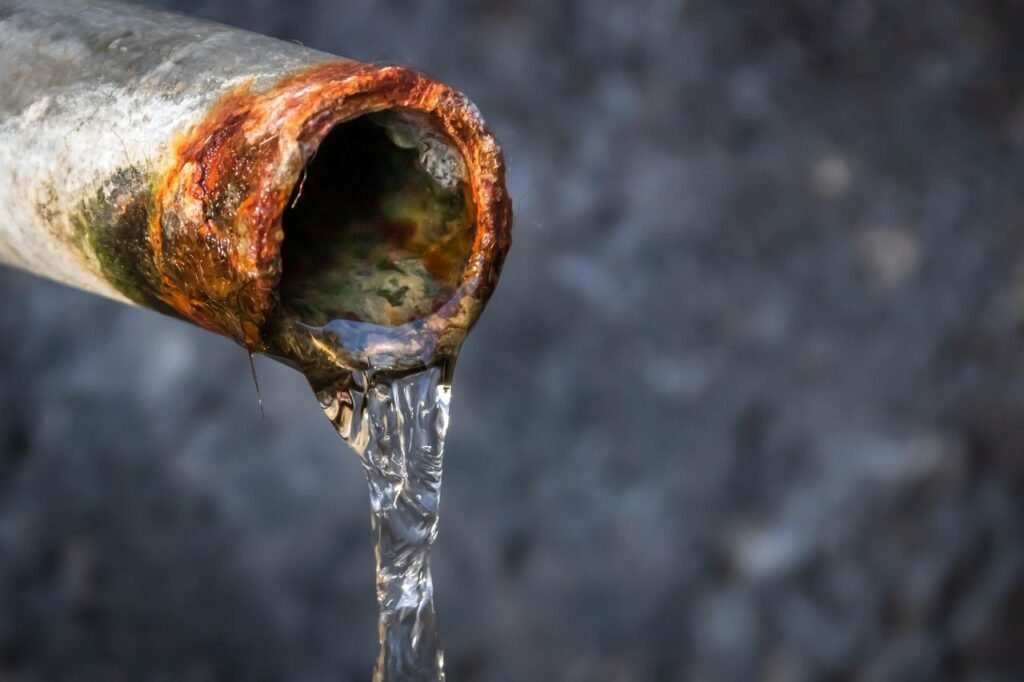
Why is my hot water heater leaking? Find the source
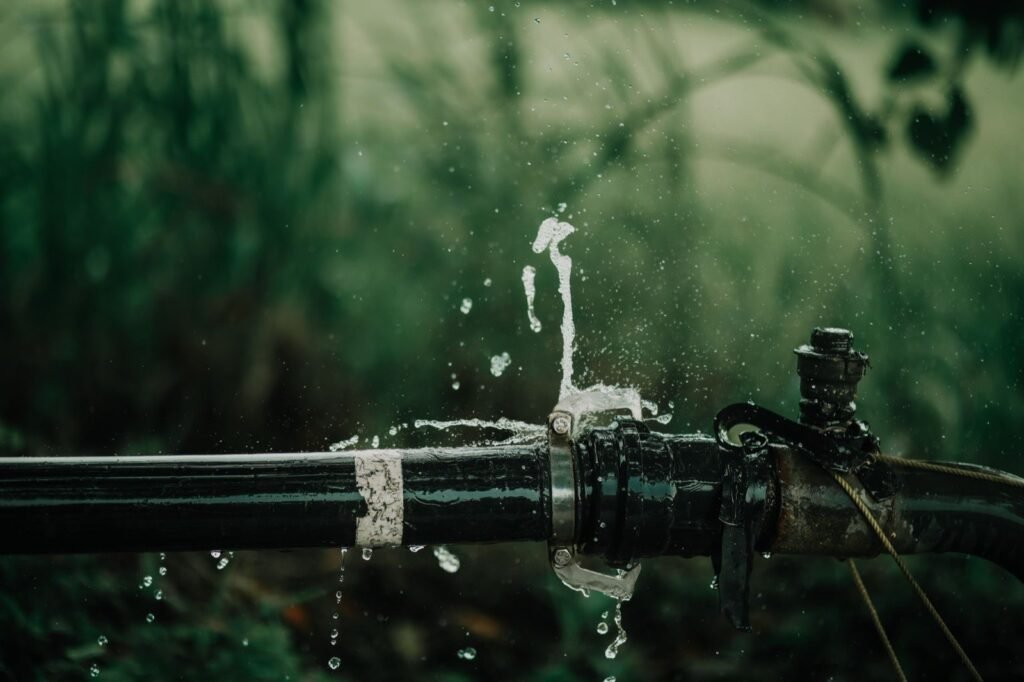
Usually a connection or valve is leaking, the relief valve is releasing pressure, or condensation is dripping; less often, the tank has rusted through. Work from the top down, drying each spot as you go.
| Where you see water | Usual cause | Fixable? |
|---|---|---|
| Pipes above the heater | Loose or corroded connector or union, or sweating cold pipes | Usually |
| Where a pipe enters the tank | Leaking nipple threads, or a leak in the fitting welded to the tank | Threads yes; welded fitting no |
| Relief valve body or threads | Loose threads or a worn T&P valve | Yes |
| Anode port (hex plug on top) | Leaking anode fitting | Usually |
| End of the relief valve’s discharge pipe | Thermal expansion or high pressure; a hot gush means overheating | Yes, once the cause is fixed |
| Drain valve | Not fully closed, grit in the seat, or leaking threads | Yes |
| Puddle under a gas heater that dries up | Condensation after a cold fill or heavy use | Not a leak |
| Under the jacket or burner area, returning after drying | Tank corroded through | No: replace the heater |
Water heater leaking from the top
A leak at the top almost always comes from a connection or valve, not the tank, and can usually be repaired. Check the cold and hot connections, the nipples, the T&P relief valve and the anode port, and avoid touching a gas heater’s hot draft hood and vent.
Cold and hot connections. Flexible connectors and unions loosen or corrode with age, and cold pipes can sweat enough to drip in humid weather, so Rheem’s leak bulletin starts by checking the pipes are dry. Water running down from above the fittings means the leak is in the house plumbing.
Dielectric nipples. Short, usually plastic-lined nipples thread into the tank. Small electric currents where copper meets steel corrode these joints, which is why A.O. Smith recommends dielectric unions. State Water Heaters’ service handbook suggests pushing a cotton swab between the jacket and each fitting; a wet swab means leaking threads, which a plumber can reseal after draining. A leaking fitting welded to the tank cannot be repaired.
T&P valve and anode port. Leaking threads at the relief valve or the anode rod’s hex plug can usually be resealed, and a worn anode rod, the sacrificial rod that protects the tank from corrosion, can be replaced at the same visit.
Water heater leaking from the bottom
Water at the bottom deserves the most attention, because it can mean the tank has failed. First rule out the drain valve, the relief valve’s discharge pipe and condensation; Rheem says not to replace a heater until every source has been checked.
Drain valve. A valve that is not fully closed, has grit in its seat or is worn drips from its spout; a garden hose cap is a common stopgap. Water seeping where it threads into the tank means draining and resealing or replacing it.
Relief valve discharge pipe. By code this pipe ends no more than 6 inches above the floor, so its drips land beside the base and look like a tank leak. Rheem treats water directly under it as a sign of thermal expansion.
Condensation. When a gas heater is full of cold water, burner exhaust condenses on the tank and drips onto the burner, where it sizzles, or onto the floor. A.O. Smith says this is not a leak and stops once the tank is hot; State’s handbook says it is most likely after a new install, during heavy use, and in winter and early spring, when incoming water is coldest. Rheem’s test: a puddle that dries up overnight is not a leak.
Tank failure. Water seeping from under the jacket or out of the burner compartment that returns after everything is dry means the tank has most likely rusted through, and a leaking tank cannot be patched. Rust or dried puddles on a gas burner, especially with a pilot that keeps going out, point the same way.
Water heater pressure relief valve leaking
A relief valve that drips from its discharge pipe is usually doing its job: tank pressure is rising past its setting, most often from thermal expansion in a closed plumbing system or from high water pressure. If it keeps dripping after the pressure problem is fixed, the valve is worn and needs replacing. Never cap or plug it.
Code requires the T&P valve to open at no more than 150 psi and 210°F. Rheem’s reading: a slow weep means pressure or mineral deposits on the seat, while a large gush of very hot water means the tank is overheating, usually from a failed thermostat or gas control, so turn off the gas or power, stay clear and call.
Thermal expansion. Water expands as it heats; Rheem calculates that the water in a 40-gallon tank grows to about 40.53 gallons. A check valve, backflow preventer or pressure-reducing valve (PRV) stops that extra water from flowing back into the main, so pressure climbs every heating cycle until the T&P opens. Rheem says about one cup released per 10 gallons of tank size each cycle points to thermal expansion; State’s handbook adds creaking hot pipes and water that surges when a faucet first opens.
The fix is an expansion tank. Code requires one where a PRV, check valve or backflow device lets thermal expansion build pressure, and Colorado requires it to be supported on its own, not hung from its piping. Our guide to the water heater expansion tank explains when you need one.
High pressure or a worn valve. Code caps static water pressure at 80 psi, and A.O. Smith suggests a PRV set between 50 and 60 psi. If pressure is under 80 psi, a charged expansion tank is in place and the valve still drips, A.O. Smith says to replace the valve.
Never cap or plug it. Code forbids any valve between the T&P and the tank or in its discharge pipe. A blocked relief valve leaves nothing to stop an overheated tank from exploding.
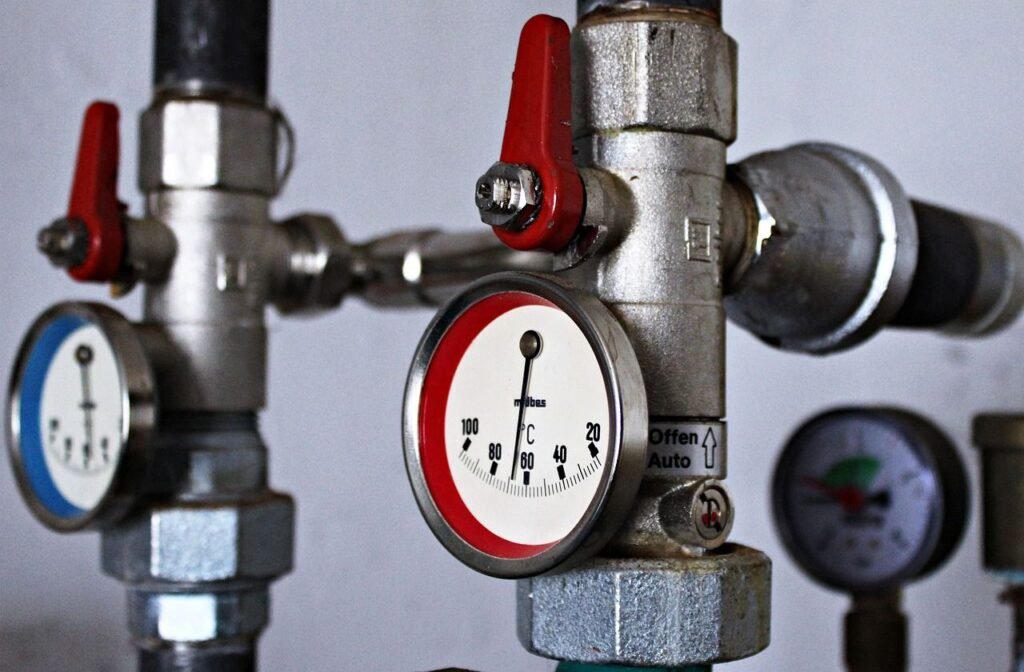
Which leaks can be fixed, and which mean a new water heater?
Leaks at fittings, valves and connections can almost always be repaired, and condensation needs no repair. A leak from the tank or a fitting welded to it cannot be fixed, so the heater has to be replaced. On an older heater, even a repairable leak can be the right moment to replace it; the U.S. Department of Energy says most storage water heaters last 10 to 15 years.
Time for a new heater:
- Water from the tank body or a welded fitting
- A bulged top or bottom, which Rheem says shows over-pressurization
- A gas control or thermostat that has been under water, which A.O. Smith says means replacing the heater
Call a plumber when:
- Water keeps coming back after you dry everything
- The relief valve gushes hot water, or drips with an expansion tank in place
- Water has reached the gas control, burner or wiring
- A fitting, valve or anode needs resealing or replacing
Our plumbers give honest repair-or-replace advice and a written, itemized quote before work starts; see water heater repair in Fort Collins. If the heater is getting old, read how long water heaters last and our water heater replacement cost guide before you decide.
Replacing a leaking water heater: drain pan and relief valve rules
Replacements must meet current code, with a few exceptions. In Colorado, a licensed plumber working for a state-registered plumbing business installs it under a permit; homeowners may do their own if the home is not for sale, resale, a flip or a rental, and they still need a permit and inspection.
- Drain pan: required where a tank leak would cause damage, at least 1½ inches deep with a drain of at least ¾ inch. Colorado’s and Fort Collins’ codes exempt replacing a heater that had no pan under the code in force when it was installed.
- Relief valve discharge: a full-size pipe with no valve, tee or threaded end, draining by gravity and ending no more than 6 inches above the floor or receptor. Colorado now requires new installations to pipe this discharge to a drain or outdoors, but replacements are exempt, in Fort Collins too.
- Expansion tank: needed where the plumbing is closed, supported independently of the piping.
We pull the permit and schedule the inspection on every replacement; in Fort Collins, the Fast-Track water heater permit is $65 plus sales tax on the job’s value. Our quote lists the heater, parts, permit, code upgrades and haul-away of the old tank; see water heater replacement in Fort Collins.
Water heater leaking FAQ
Is a leaking water heater an emergency?
It is if water is coming from the tank, spreading across the floor, or the relief valve is releasing hot water: close the cold-water valve, turn off the gas or power and call. A slow drip at a fitting can usually wait for a scheduled repair.
Why is my hot water heater leaking from the bottom?
Usually it is a drain valve that is open or worn, drips from the relief valve’s discharge pipe, condensation on a gas heater, or a tank that has rusted through. Only the last one means a new heater.
Why is my water heater leaking from the top?
Usually a loose or corroded pipe connection, leaking nipple threads, the T&P relief valve or the anode rod fitting. These can almost always be repaired; only a leak in a fitting welded to the tank means a new heater.
Why is my water heater pressure relief valve leaking?
Occasional drips usually mean thermal expansion or high water pressure, which an expansion tank or pressure-reducing valve fixes. Constant dripping after that means a worn valve; never cap or plug it.
Does a replacement water heater need a drain pan in Fort Collins?
Only where a leak would cause damage, and Colorado and Fort Collins exempt a replacement if the old heater had no pan under the code in force when it was installed.
Keep reading
Related guides
Hot Water Smells Like Rotten Eggs? Causes and Fixes in Fort Collins
Hot water smells like rotten eggs? Why it happens, how an anode rod swap or chlorination fixes it, and when it is a gas leak.
Read guide
No Hot Water in the House? How to Troubleshoot Gas, Electric and Tankless Water Heaters in Fort Collins
No hot water in the house? Check the pilot, breaker or tankless error code first. Safe steps for gas, electric and tankless, and when to call.
Read guide
Water Heater Making Noise? What Each Sound Means and How to Fix It in Fort Collins
Water heater making noise? What popping, rumbling, hissing and banging mean, when a flush fixes it and when to call.
Read guideWater heater trouble?
Call for a diagnosis and a written quote.
Call for a leak diagnosis, honest repair-or-replace advice and a written, itemized quote.

Water heater replacement, repair and tankless installation for Fort Collins, Loveland and Larimer County. Written, itemized quotes and licensed plumbers.
Call (970) 305-5633