
Emergency Water Heater Repair in Fort Collins and Loveland
Water heater leaking or no hot water at all? Shut it down safely, then call. Leaking tanks are scheduled first.
- Honest repair-or-replace advice
- Written, itemized quotes
- Licensed and insured
If your water heater is leaking, close the cold water valve above it and turn off the gas or the breaker, then call. Fort Collins Water Heater Pros handles emergency water heater repair in Fort Collins, Loveland and across Larimer County, and leaking tanks are scheduled first. We stop the leak, find the source and fix it, or replace the heater when the tank itself has failed.
Call (970) 305-5633 if your water heater is leaking or has burst.
Call nowChoose your area
Permits, water and energy providers differ by town. Pick yours:
Water heater leaking? What to do right now
If you smell gas, skip these steps: leave the house without touching light switches or using a phone inside, and call your gas utility’s emergency line, or 911, from outside.
- Close the cold water supply valve. It is on the cold inlet pipe at or near the top of the heater. Turn a round handle clockwise until it stops, or a lever a quarter turn so it crosses the pipe. The tank stops refilling and the rest of the house keeps cold water; if the valve won’t close, shut the main.
- Turn off the gas or the power. On a gas heater, turn the gas control to OFF and close the gas shutoff valve on the supply pipe, which code puts within 6 feet in the same room. On an electric heater, switch off its breaker from a dry spot. Rheem warns never to run a heater with its cold supply closed.
- Keep clear of the hot water. Rheem’s manual, citing the Shriners Burn Institute, says 140°F water can cause a serious burn in less than 5 seconds. Keep children and pets away.
- Drain the tank only if it is safe. Run a garden hose from the drain valve at the bottom to a floor drain or outdoors, lower than the valve, open a hot faucet in the house to let air in, then open the drain valve. Rheem warns the drained water can scald. If the leak is slow, a bucket and towels can hold it while the tank cools.
- Move belongings and stop the spread. Lift boxes, rugs and electronics off the floor and use towels or a wet vacuum. Stay out of water that has reached outlets, cords or the electrical panel.
- Take photos of the water, damaged items, the heater and its rating plate before cleanup, for your insurer and the manufacturer.
Never cap or plug the T&P relief valve, even if that is where the water is coming from.

Where is the water coming from?
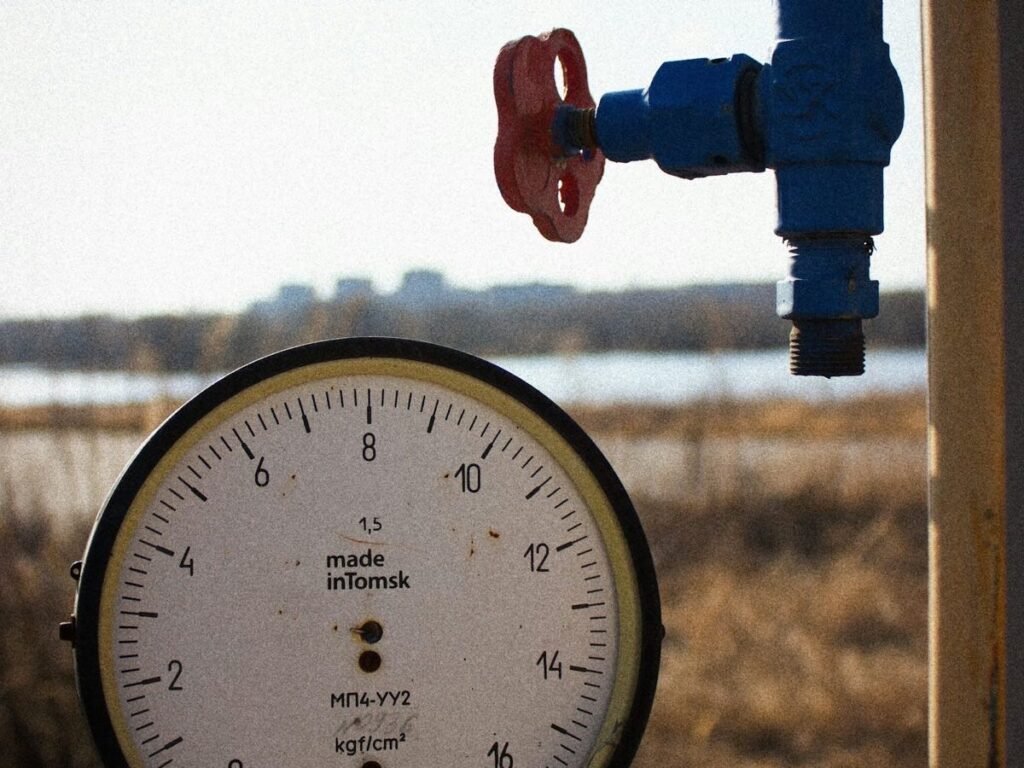
Water around a heater usually comes from the fittings on top, the T&P valve and its discharge pipe, the drain valve, or the tank itself. Dry the tank and floor with a towel, then watch where new water appears first. Our water heater leaking guide goes deeper.
| What you see | Likely cause | What we do |
|---|---|---|
| Water running down from the top | Loose or corroded inlet or outlet fitting, or a worn flex connector | Tighten or replace the fitting or connector |
| Water from the T&P discharge pipe | High water pressure, thermal expansion, overheating or a worn valve | Find the cause; add a PRV or expansion tank; replace the valve |
| A drip at the drain valve | Worn or loose drain valve | Replace the drain valve |
| Water seeping from the base, burner area or under the jacket | The tank has rusted through | Replace the water heater |
| A small puddle and sizzling after a cold start (gas) | Condensation, which Rheem and A.O. Smith say is not a leak | Nothing, if it stops once the tank heats |
| The heater sat in floodwater | Water reached the gas control or burner | Shut off the gas; A.O. Smith’s manual calls for replacing the heater |
| CO alarm, or headache and dizziness near the heater | Exhaust spilling from a venting or combustion fault | Get outside and call 911 |
Never cap or plug the T&P relief valve
The temperature and pressure (T&P) relief valve releases water when tank pressure or temperature climbs too high. The plumbing code requires it to open at no more than 150 psi and 210°F, with a full-size discharge pipe that has no valve and ends no more than 6 inches above the floor. A.O. Smith’s manual warns that capping or plugging it could cause an explosion, and says to turn off the gas if it is discharging large amounts of very hot water.
A drip usually has a fixable cause: water pressure above the code limit of 80 psi, thermal expansion with no working expansion tank, debris in the valve, or a worn valve.
Is it an emergency, or can it wait until tomorrow?
Get out first if you smell gas, and call your gas utility from outside, as manufacturers’ manuals such as Rheem’s instruct. If a CO alarm sounds or people feel headache, dizziness or nausea, get outside and call 911, the U.S. Consumer Product Safety Commission’s advice for suspected carbon monoxide poisoning.
Call us right away if water is leaking and you can’t stop it, the T&P valve is pouring hot water, the heater sat in floodwater, or you see soot or scorching or smell burning.
It can usually wait for a scheduled visit if:
- You have no hot water but no leak, gas smell or alarm. Start with our no hot water troubleshooting guide.
- The pilot is out; with no gas smell, relight it by the label’s instructions.
- The tank rumbles or pops, which usually means sediment.
- A fitting or the drain valve drips slowly into a pan or bucket.
- The hot water smells of sulfur but the air near the heater doesn’t. That is usually bacteria and the anode rod, not gas; if you are unsure, treat it as a gas smell.
What happens when you call
- Tell us what is leaking and whether the water and the gas or power are off. Leaking tanks are scheduled first.
- We make it safe: we confirm the shutoffs, drain the tank and isolate the heater so the house keeps water.
- We find the source. A fitting, connector, drain valve or T&P valve can usually be repaired.
- If the tank has failed, you get a written, itemized replacement quote listing the heater, parts, permit, code upgrades and haul-away of the old tank.
- We pull the permit and schedule the inspection, install the new heater, and check it for leaks, venting and water temperature.
Every job is done by licensed plumbers and covered by liability insurance. For problems that can wait, see water heater repair in Fort Collins.

Why a leaking tank means replacement, and how permits fit
A leak from the tank body almost always means a new water heater. The tank is welded steel with a fused glass lining and an anode rod that corrodes in place of the steel (A.O. Smith); once the steel rusts through, there is no lasting fix.
Every town we serve requires a permit and inspection for a replacement. Under the State Plumbing Board’s December 2025 memo and addendum, Colorado requires a licensed plumber working for a state-registered plumbing business, under a permit (or a homeowner doing their own work on a home that is not for sale, a flip or a rental). Fort Collins and Loveland both handle water heater permits as Fast-Track applications; Fort Collins charges $65 per water heater plus sales tax on the job’s value, and Loveland requires an exhaust test certificate at inspection for gas heaters.
Replacements are exempt from Colorado’s new rule to pipe T&P discharge to a drain or outdoors, and a drain pan generally isn’t required where none was installed before. See water heater installation for what a code-compliant install includes, water heater replacement in Fort Collins for your options and the water heater replacement cost guide for prices.
Water damage and insurance
Coverage depends on your policy, so call your insurer early. Policies often treat sudden water damage differently from the worn-out heater itself, which is commonly considered wear and tear, and they generally expect you to limit further damage. Keep your photos, the rating plate details and an invoice that separates the heater from cleanup. Colorado’s Division of Professions and Occupations warns that homeowner’s insurance may not cover damage from work by anyone without liability insurance.
Emergency water heater repair FAQ
What should I do if my water heater is leaking?
Close the cold water valve above the heater, turn the gas control to OFF or switch off the breaker, and keep clear of the hot water. Drain the tank to a floor drain if you can do it safely, then call us.
How do I shut off a water heater?
On a gas heater, turn the gas control to OFF and close the gas shutoff valve on the supply pipe. On an electric heater, switch off its breaker. If it is leaking, also close the cold water supply valve.
Where is the water heater shutoff valve?
The water shutoff is on the cold inlet pipe at or near the top of the heater. The gas shutoff is on the gas supply pipe; code puts it within 6 feet, in the same room.
Is a leaking water heater dangerous?
It can be. Tank water can scald in seconds, water near outlets or the electrical panel is a shock risk, and A.O. Smith says a heater that has sat in floodwater must be replaced.
What should I do if my water heater burst?
Close the cold water valve, or the main water valve if you can’t reach it, turn off the gas or power and keep away from the hot water. A burst tank can’t be repaired, so plan on a replacement.
Is no hot water an emergency?
Usually not. With no leak, no gas smell and no CO alarm, it can wait for a scheduled repair; check the breaker or the pilot first.
Can you come at night or on a weekend?
Call to check availability. Leaking tanks are scheduled first.
Related services
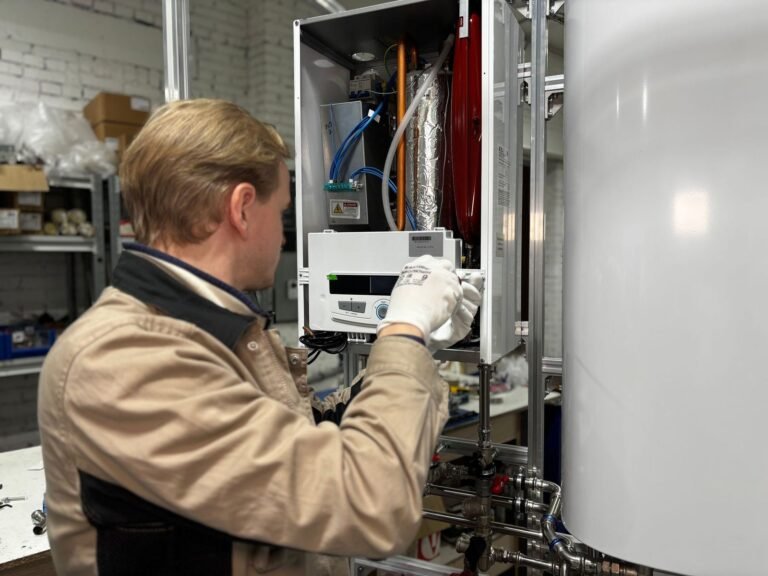
Water Heater Repair
No hot water, leaks, pilot and burner problems diagnosed and fixed.
Learn more
Water Heater Installation
Gas and electric installs with the expansion tank, venting and permit done right.
Learn more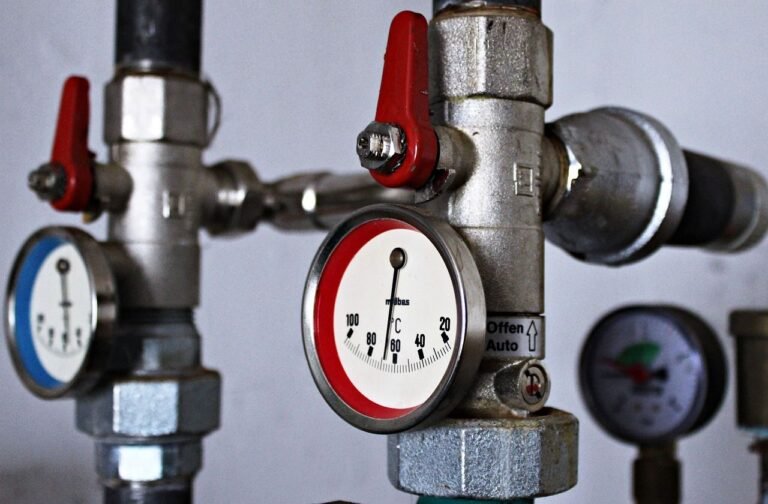
Water Heater Maintenance
Flushing, anode rods and relief valve checks that extend tank life.
Learn morePhoto credits (Wikimedia Commons): Water Heater Installation: Tim Evanson, CC BY-SA 2.0.
Water heater trouble?
Call for a diagnosis and a written quote.
Call for emergency water heater repair in Fort Collins, Loveland or anywhere in Larimer County.

Water heater replacement, repair and tankless installation for Fort Collins, Loveland and Larimer County. Written, itemized quotes and licensed plumbers.
Call (970) 305-5633