
Water Heater Repair in Fort Collins and Loveland
No hot water, a leak or a pilot that will not stay lit: we find the cause and tell you whether repair is worth it.
- Honest repair-or-replace advice
- Written, itemized quotes
- Licensed and insured
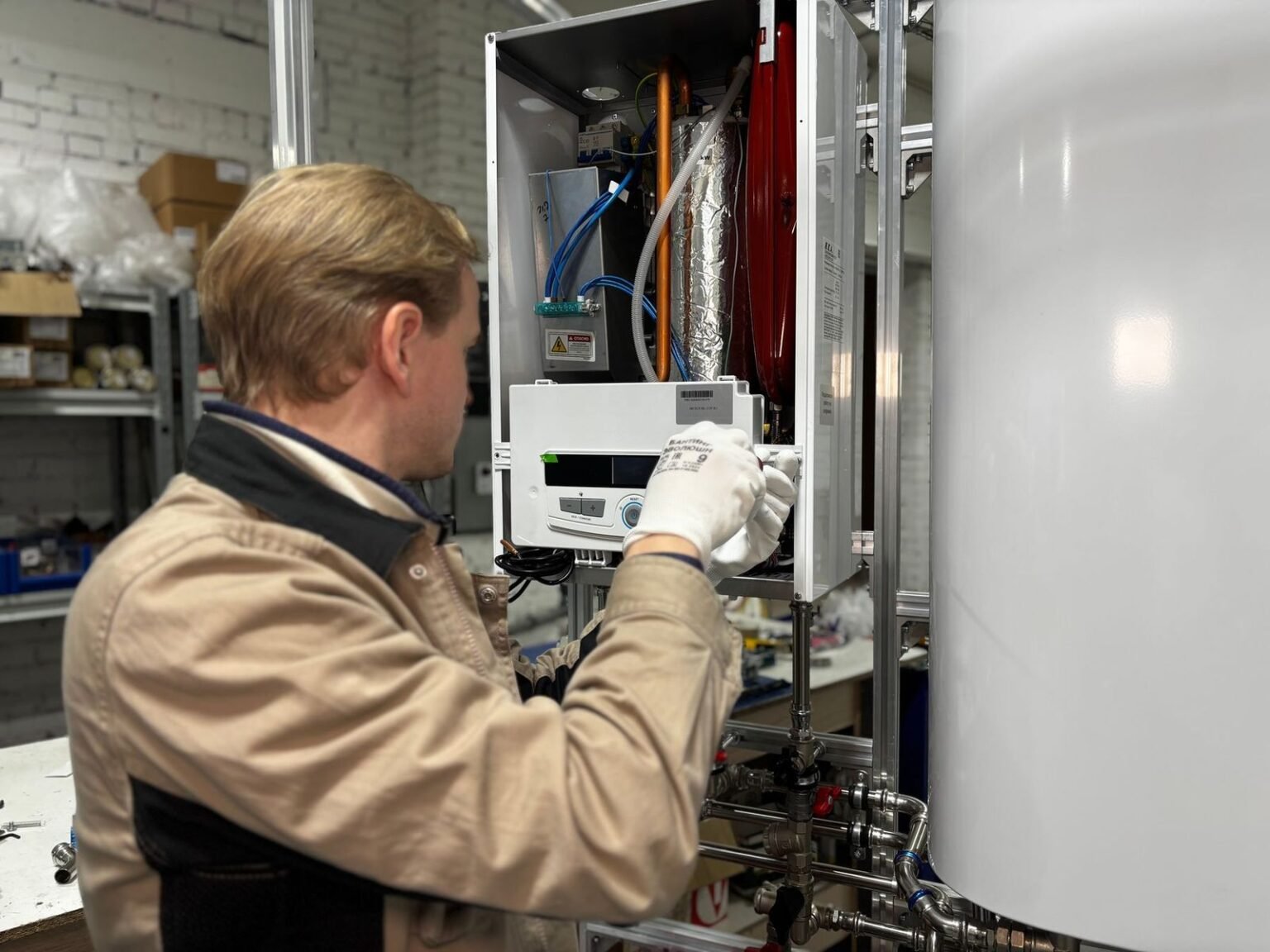
Fort Collins Water Heater Pros repairs gas, electric and tankless water heaters in Fort Collins, Loveland and across Larimer County. Our licensed plumbers find out why you have no hot water, a leak, a pilot that won’t stay lit or a noisy tank, replace the part that failed, and tell you plainly when a new heater is the smarter buy. You get a written, itemized quote before any work starts.
Call (970) 305-5633 to book a diagnosis. If water is on the floor right now, follow our emergency water heater repair steps first.
Call nowChoose your area
Permits, water and energy providers differ by town. Pick yours:
Water heater problems: symptom, likely cause and what we do

Most causes below come from A.O. Smith, Bradford White and Rheem troubleshooting charts.
| What you notice | Likely causes | What we do |
|---|---|---|
| Gas heater, no hot water, pilot out | Weak or misplaced thermocouple; clogged pilot tube; tripped FVIR thermal switch; failed gas control | Relight; replace the thermocouple, pilot assembly or gas control; clean the flame arrestor |
| Electric heater, no hot water | Tripped breaker or high-limit; burned-out upper element or thermostat | Find out why it tripped; replace the failed part |
| Hot water runs out fast or is lukewarm | Failed lower element; broken dip tube; sediment; low setting; faulty shower mixing valve; undersized tank | Test and replace parts; flush; adjust; check sizing |
| Water too hot | Thermostat or gas control out of calibration; sediment around the sensor | Replace the control; flush the tank |
| Rumbling or popping | Sediment and scale on the tank bottom or elements | Flush; descale or replace the element |
| Pilot goes out now and then | Too little combustion air; lint on the flame arrestor; vent problem; unsteady gas pressure | Clean the intake and arrestor; fix the vent; check gas pressure |
| Yellow flame, soot or exhaust smell | Dirty burner; restricted flue; too little combustion air | Shut it off; clean the burner; fix the air supply and venting |
| Power-vent model won’t fire, status light blinking | Switch off or unplugged; blocked vent terminal; pressure switch; igniter; flame sensor | Clear the terminal; read the code; replace the part |
| Rotten-egg smell from hot taps only | Bacteria reacting with the anode rod | Zinc anode or chlorination; never pull the anode |
| Water at the T&P valve or its pipe | High water pressure; thermal expansion; debris; worn valve | Check pressure; add a PRV or expansion tank; replace the valve |
| Water at the top fittings or drain valve | Loose or corroded connections; worn drain valve | Tighten or replace the part |
| Water from the tank itself | The steel tank has rusted through | Replace the water heater |
If you smell gas, leave the house and call your gas utility from outside. Never cap a dripping T&P valve. Our guides cover no hot water troubleshooting, a water heater leaking, a water heater making noise and why hot water smells like rotten eggs.
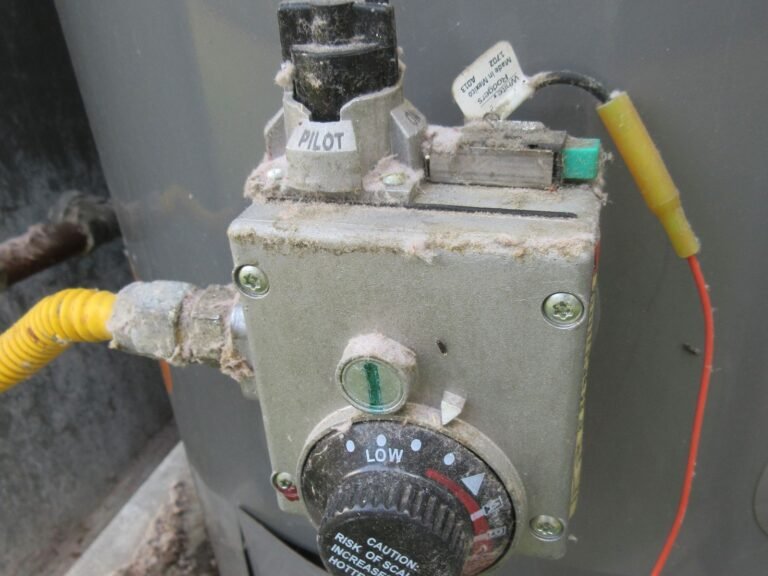
Gas water heater repairs
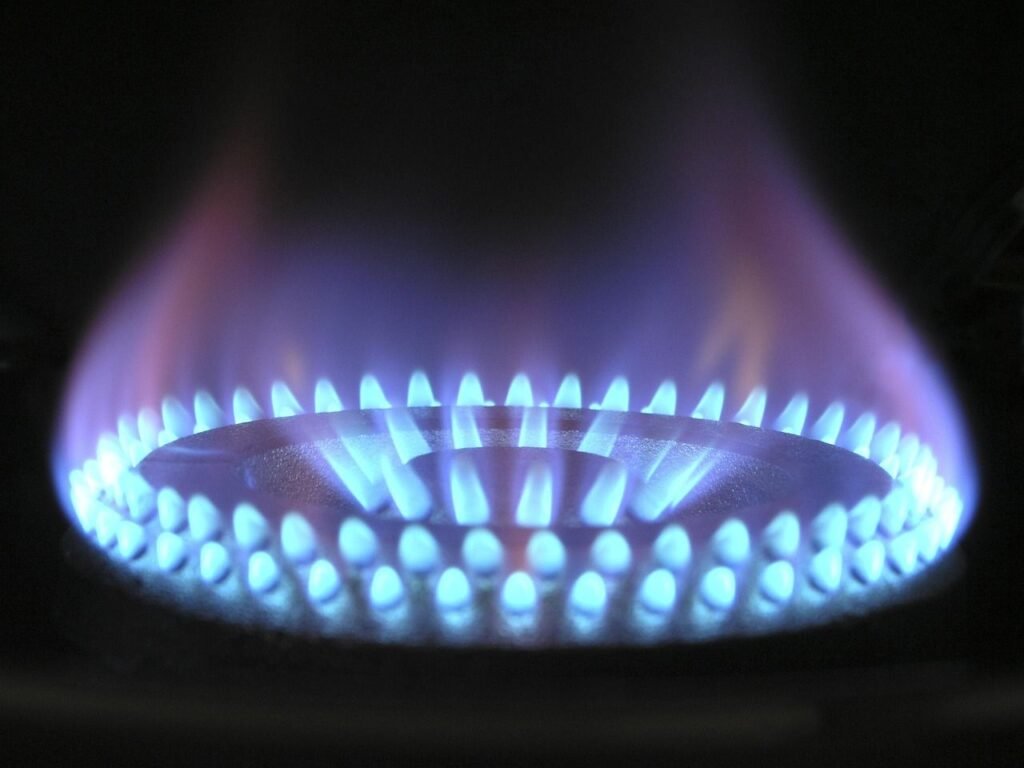
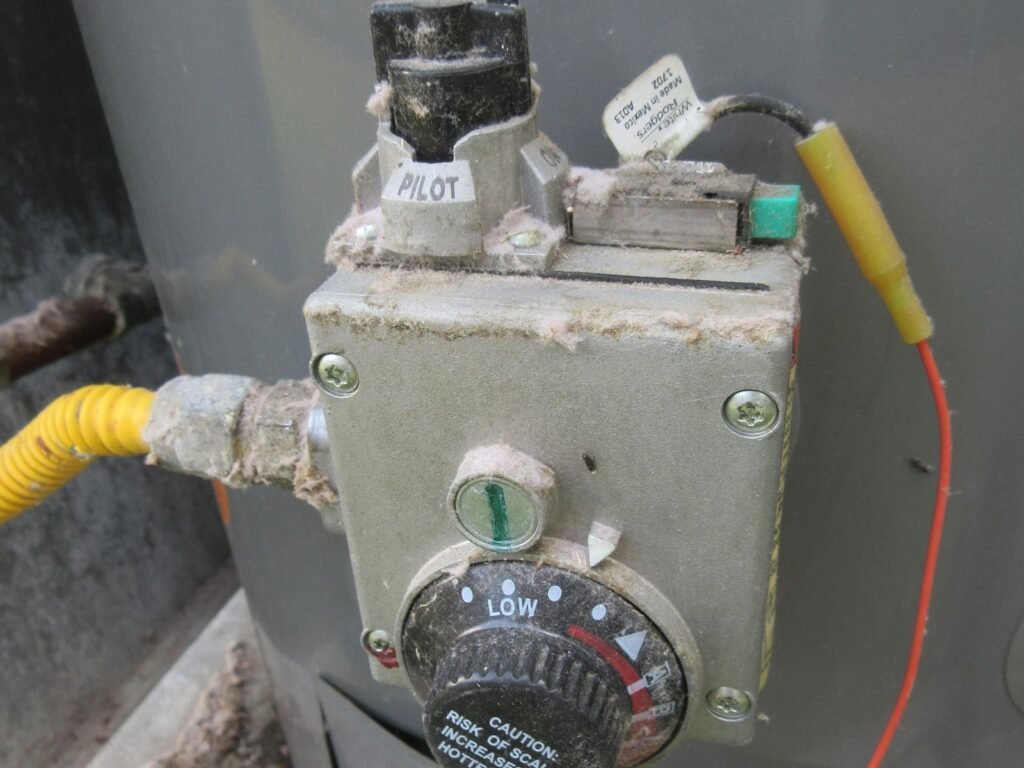
- Thermocouple or thermopile. A thermocouple sits in the pilot flame and powers the gas valve’s safety magnet (a thermopile runs an electronic control instead); if the pilot goes out, the gas shuts off (A.O. Smith). See why a water heater pilot light keeps going out.
- Pilot assembly, igniter and flame sensor. A clogged pilot tube, a worn piezo or hot surface igniter, or a corroded flame sense rod on some FVIR models keeps the burner from lighting.
- FVIR thermal switch or vapor sensor. It shuts the heater down if vapors ignite or lint chokes the flame arrestor. A.O. Smith warns that disabling it can cause fire, explosion or excess carbon monoxide.
- Gas control valve. It holds the thermostat, the safety magnet and an energy cutoff (ECO); on many standard controls a tripped ECO means a gas valve replacement (A.O. Smith, Rheem).
- Burner and venting. A dirty burner, a blocked or poorly drafting vent, or too little combustion air causes yellow flames, soot and pilot outages, and can spill carbon monoxide; if a CO alarm sounds, get everyone outside and call 911. We also check the heater’s altitude setup against its manufacturer’s instructions, since every town we serve is above 4,600 feet.
Our gas water heater repair page goes deeper on each part.
Electric water heater repairs
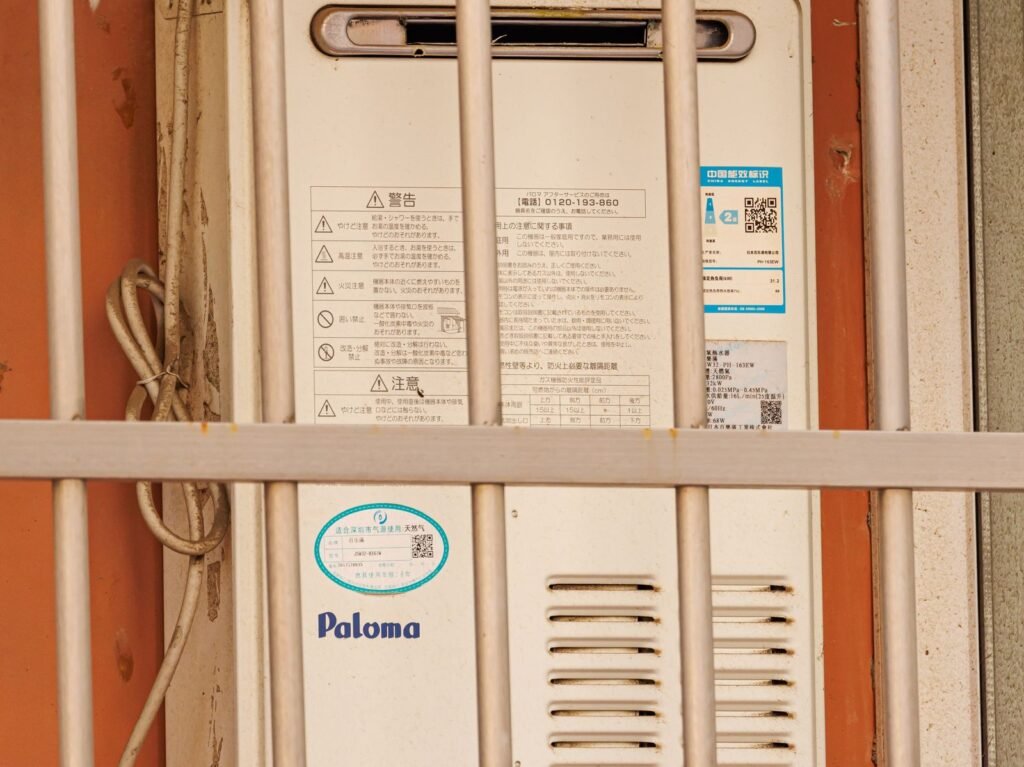
A standard electric tank has upper and lower heating elements, a thermostat for each, a high-limit switch and the wiring. Per A.O. Smith’s training manual, the upper element heats the top third of the tank first, then power passes to the lower one, so the symptom points to the part. We test elements and thermostats before replacing anything, check the terminals, junction box and breaker for heat damage, and refill the tank before restoring power, because an element switched on out of water burns out at once.
Most whole-house electric tanks run on 240 volts, so this is work for a plumber. More on our electric water heater repair page.

Tankless water heater problems
Tankless units fail differently: error codes, cold bursts between hot ones, or no heat at low flow. Common causes include scale in the heat exchanger, a clogged inlet filter screen, a dirty flame rod or igniter, a flow sensor fault, or a wrong altitude setting. Rinnai warns that an incorrect DIP switch setting can make its V-series units run unsafely, and Navien’s NPE-2 natural gas units need a high-altitude kit at 5,400 feet or higher, which includes Estes Park and Livermore. See tankless water heater repair and tankless water heater error codes.
What water heater repairs cost

HomeAdvisor’s national repair cost guide (updated June 17, 2026) puts the average water heater repair at $616, with most homeowners paying $228 to $1,017. Its figures for common jobs:
| Repair | HomeAdvisor national figure |
|---|---|
| Thermocouple | Around $150 |
| Gas control valve | About $350 on average |
| Heating element (electric) | $200-$300 |
| Thermostat (electric) | $150-$200 |
| T&P relief valve | $20-$200 |
| Dip tube | $25-$175 |
| Anode rod | $50-$150 including labor |
| Visit to assess and relight a pilot | $50-$150 |
These are national figures, not local quotes. Our water heater replacement cost guide covers what a new heater costs if repair doesn’t make sense.
Should you repair or replace your water heater?
Repair a sound tank with a failed part; replace a tank that leaks or is near the end of its life. The U.S. Department of Energy says most storage water heaters last 10 to 15 years and tankless units can last more than 20. Replacement usually makes more sense when:
- The tank itself leaks. A tank is welded steel with a glass lining and an anode rod that corrodes in its place (A.O. Smith). Once the steel rusts through, there is no lasting fix.
- A big repair hits an older heater. A common rule of thumb is to replace when a repair would cost more than about half the price of a new heater. The age is on the rating plate, often coded in the serial number.
- It has been flooded or through a flammable-vapor incident. A.O. Smith says those heaters must be replaced entirely.
When it’s close, your quote shows both options. See how long water heaters last and our page on water heater replacement in Fort Collins. Colorado requires a licensed plumber working for a state-registered plumbing business, under a permit (or a homeowner doing their own work on a home that is not for sale, a flip or a rental), and we pull the permit and schedule the inspection on every replacement.

What happens when you call
- Call (970) 305-5633. Tell us the fuel, brand, age and what you are seeing. Leaking tanks are scheduled first.
- Diagnosis. We check the gas supply or power, the controls, the venting, the water pressure and the T&P valve, then test the suspect part.
- A written, itemized quote before any work starts.
- The repair, with a part matched to your heater’s make and model.
- Testing. We check gas connections for leaks, the draft, the water temperature and any drips.
Every job is done by licensed plumbers and covered by liability insurance.
What a complete written quote includes
A repair quote names what failed and why, the part, whether the manufacturer’s warranty covers it, the labor, and any fix the cause needs, such as a PRV or an expansion tank when high pressure makes the T&P valve drip. A replacement quote also lists:
- The heater’s make, model, size, first-hour rating and UEF
- Labor, the permit and the inspection
- An expansion tank or drain pan, if code requires one
- T&P discharge, gas shutoff, flex connector and sediment trap
- Venting changes and altitude setup
- Haul-away of the old tank and any code upgrades

Bradford White, Rheem and A.O. Smith water heater repair
We work on the common brands, including Bradford White, Rheem, Ruud, A.O. Smith, State and American tank heaters, and Navien, Rinnai, Noritz and Rheem tankless units. If yours is under warranty, have the model and serial number ready; many warranties cover parts but not labor.
What you can check before you call
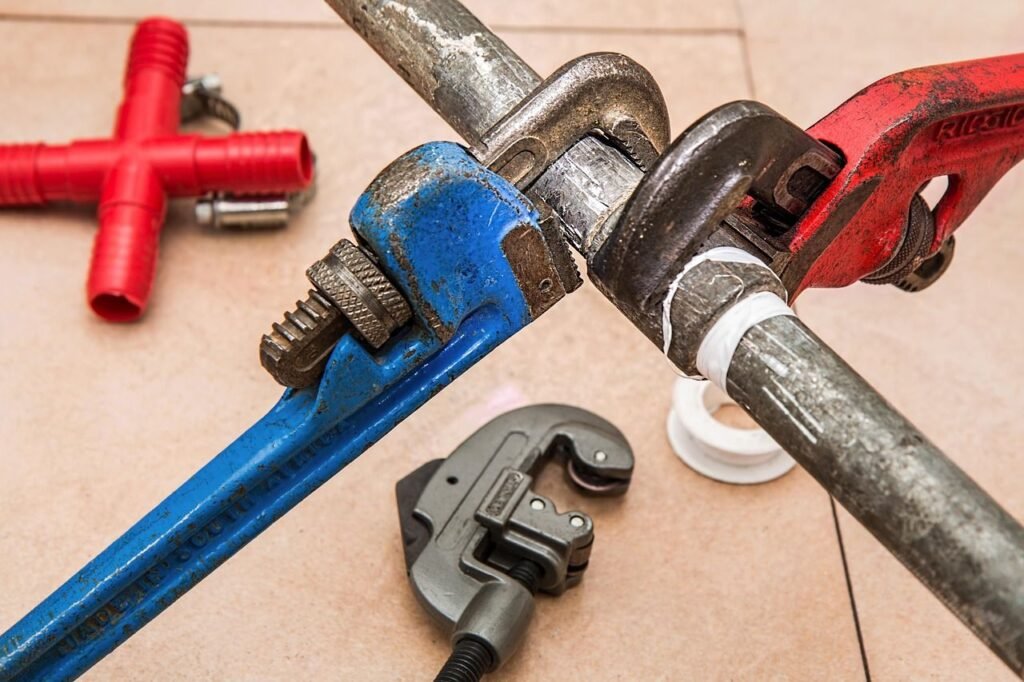
- Try another faucet. If only one shower runs lukewarm, its mixing valve may be the problem, not the heater (A.O. Smith).
- Electric: check the breaker. A.O. Smith calls a tripped breaker a very common cause. Reset it once; if it trips again, leave it off.
- Gas: check the valve and dial. The supply valve handle should run along the pipe and the gas control should be on ON, not Pilot. With no gas smell, relight the pilot by the label’s instructions.
- Power-vent models. Confirm the unit is plugged in and switched on, and note the status light pattern.
- Clear the air intake and vent terminal of lint, snow, ice or nests.
- Trace any water. A little condensation when a gas heater fires on a cold tank is normal and fades as the tank heats (Rheem, A.O. Smith).
Leave these to a licensed plumber:
- Gas controls, burners, gas piping and vent connectors, which Rheem’s manual tells owners not to attempt
- FVIR thermal switches and vapor sensors
- Anything behind an electric heater’s access panels
- T&P valves, and any problem involving soot, a CO alarm or a gas smell
- Replacing the heater, which needs a permit and inspection
Water heater repair FAQ
Is a hot water heater repair worth it on an old tank?
Often, if the tank is sound and the part is a thermocouple, element or thermostat. If the tank leaks, or a big repair hits a heater near the end of its expected life, replacement usually makes more sense.
What does a thermocouple do?
It sits in the pilot flame and makes a small current that holds the gas valve’s safety magnet open; when the pilot goes out, the valve shuts off the gas. A weak or misplaced one lets the pilot die.
Is a yellow burner flame dangerous?
Treat it as a warning. Rheem lists scale on the burner, blocked air openings and too little combustion air as causes, and poor combustion can produce carbon monoxide, so turn the heater off and have it checked.
Why does my water heater breaker keep tripping?
A breaker that trips again right after a reset often points to a shorted or grounded element or damaged wiring. Leave it off and have it tested.
What does the red reset button on my water heater do?
It resets the high-limit switch, which cuts power when the water overheats (at 170°F on a standard A.O. Smith electric model). A.O. Smith says trips often come from a grounded element or a faulty lower thermostat.
Can one heating element fail while the other still works?
Yes. A dead upper element means no hot water at all, because power never passes to the lower element, while a dead lower element usually leaves a short supply of hot water.
Do gas water heaters have a thermostat?
Yes. It is built into the gas control valve, with a sensor that reaches into the tank, so a failed thermostat on a gas heater usually means replacing the gas control.
What temperature should I set my water heater to?
The U.S. Department of Energy recommends 120°F as safe for most households, and code limits showers and tubs to 120°F at the valve. Rheem’s manual warns that water above 125°F can cause severe burns.
Why is my hot water rusty?
Usually a spent anode rod, corrosion inside the tank or old galvanized pipes; if only the hot water is discolored, the heater is the likely source.
Do I have to replace my gas water heater because of Colorado’s 2026 NOx rule?
No. Colorado’s 2026 NOx rule (HB23-1161) covers new water heaters offered for sale; it does not require replacing a working water heater and does not mention repairs. See our guide to Colorado’s low-NOx water heater law.
How much does water heater repair cost?
HomeAdvisor’s June 2026 guide puts the national average at $616, with most homeowners paying $228 to $1,017. Your written, itemized quote gives the real price before any work starts.
Related services
Gas Water Heater Repair
Pilot, thermocouple, gas valve, burner and venting problems fixed safely.
Learn more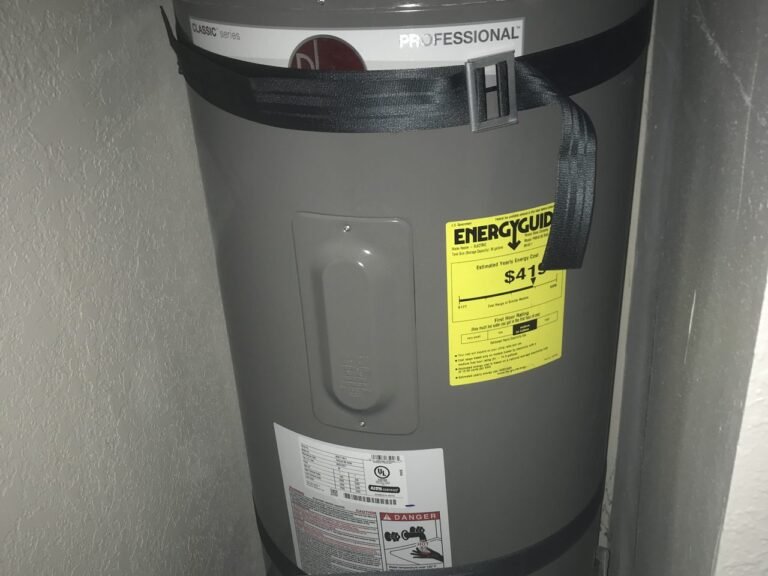
Electric Water Heater Repair
Elements, thermostats, reset buttons and tripping breakers diagnosed.
Learn more
Emergency Water Heater Repair
Leaking tank or no hot water? What to do now, then fast help.
Learn morePhoto credits (Wikimedia Commons): Gas Water Heater Repair: Infrogmation of New Orleans, CC BY-SA 4.0; Electric Water Heater Repair: Steven Pavlov, CC BY-SA 4.0.
Water heater trouble?
Call for a diagnosis and a written quote.
Call for water heater repair in Fort Collins, Loveland or anywhere in Larimer County.

Water heater replacement, repair and tankless installation for Fort Collins, Loveland and Larimer County. Written, itemized quotes and licensed plumbers.
Call (970) 305-5633