

Water Heater Making Noise? What Each Sound Means and How to Fix It in Fort Collins
Water heater making noise? What popping, rumbling, hissing and banging mean, when a flush fixes it and when to call.
A water heater making noise is usually telling you about sediment: popping or rumbling on a gas heater means water trapped under mineral scale is flashing to steam, and on an electric heater the same scale makes the elements hiss. A flush usually quiets it, but a whistle, a scream or a bang when the burner lights needs a plumber right away. Fort Collins Water Heater Pros diagnoses and fixes noisy water heaters in Fort Collins, Loveland and nearby towns.
Call (970) 305-5633 if your water heater is making a noise you cannot explain.
Call nowWater heater noises and what they mean
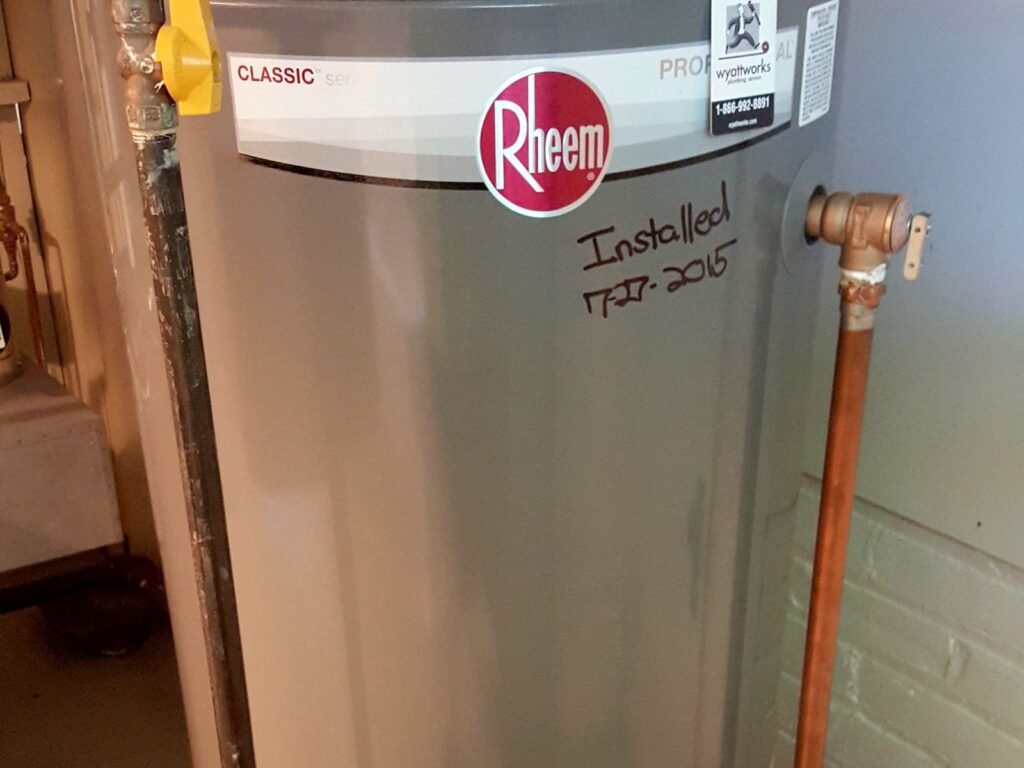
Find your sound in the table, then read its section below.
| Sound | Usual cause | Risk | Fix |
|---|---|---|---|
| Popping or rumbling (gas) | Sediment and scale on the tank bottom trap water that flashes to steam | Low now, but it wastes fuel and shortens tank life | Drain and flush; delime hard scale |
| Sizzling (gas) | Condensation dripping on the burner after a cold fill or heavy use | None if it stops once the tank is hot | Wait; check for a leak if it continues |
| Hissing or singing (electric) | Scale on the heating elements, low water pressure or high voltage | Low | Flush; a plumber cleans or replaces elements |
| Humming (electric) | An element vibrating with the electric current | Low | A plumber snugs the element |
| Ticking or tapping | Pipes expanding as they heat, or heat traps reacting to pressure changes | None | Usually nothing; a plumber can change the fittings |
| Creaking | Thermal expansion pressure flexing the tank and pipes | Moderate: it stresses the tank | Expansion tank or PRV |
| Banging when a faucet shuts | Water hammer | Moderate: the shock can damage the tank | Water hammer arrestors |
| Rattling at the top while the burner runs | A loose flue baffle | Low | A plumber tightens the baffle |
| Whistling or screaming | A relief valve discharging, a partly closed valve, or wrong gas pressure | High until checked | Shut it off and call |
| A pop or boom as the burner lights | Delayed ignition | High | Shut it off and call |
Why is my water heater popping or rumbling?
Popping and rumbling almost always mean sediment. Minerals in the water settle on the bottom of the tank and harden into scale that traps small pockets of water. When the burner fires, that water flashes to steam and pops, as Rheem’s bulletin on noisy gas water heaters explains.
Heat speeds this up: State Water Heaters’ service handbook notes that lime comes out of water faster the hotter it gets, so high thermostat settings and heavy use build scale faster. Hardness matters too, per A.O. Smith. Your water provider’s annual water quality report lists the hardness of your supply.
Sediment is more than noise. Rheem says it insulates the tank bottom from the flame, slows recovery, can clog the drain valve and can noticeably shorten the tank’s life.
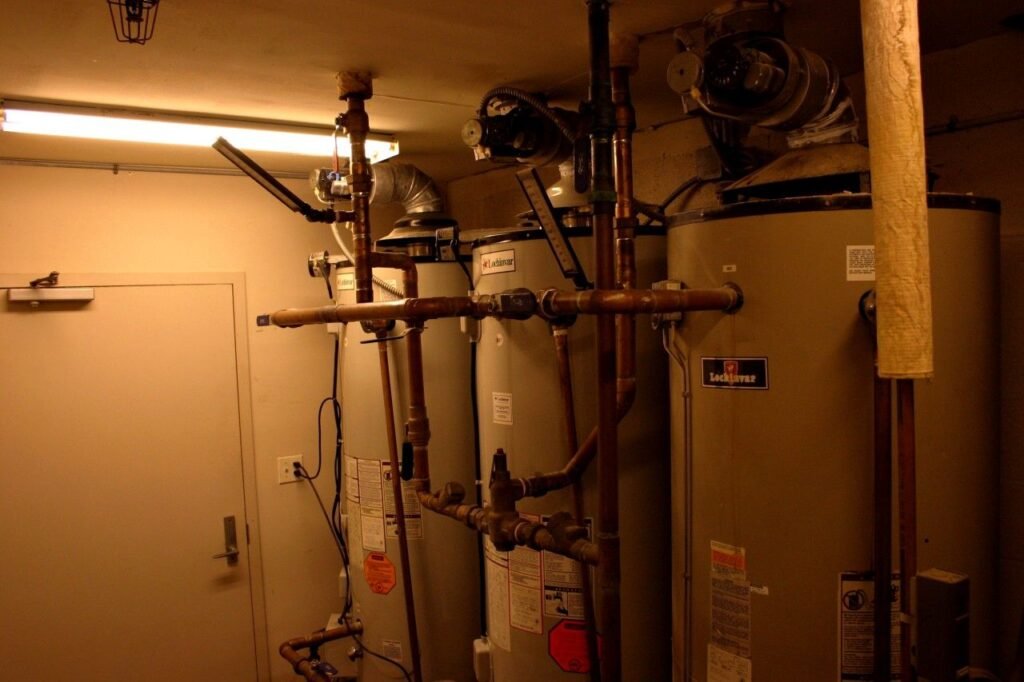
Will flushing stop a noisy water heater?
Usually, yes. Draining and flushing washes loose sediment out of the tank and quiets popping and rumbling, especially if you catch it early. Scale that has hardened may need a deliming solution approved for potable water heaters, and a tank that stays loud after a thorough flush may be near the end of its life.
Before you flush:
- Turn off the heat: set the gas control to OFF, or switch off an electric heater’s breaker.
- Let the water cool by running a hot tap until it comes out cool, since tank water can scald.
- Do not force a clogged drain valve. A.O. Smith says to call a qualified person instead.
The U.S. Department of Energy suggests draining a quart from the tank every three months to remove sediment, while A.O. Smith suggests a full flush after the first six months of use, then yearly or more often if a lot comes out. Our guide on how to flush a water heater covers each step.
Tankless units scale up inside the heat exchanger instead; see how to descale a tankless water heater.
Sizzling, hissing and humming
On a gas heater, sizzling is usually condensation. When the tank is full of cold water, after a heavy draw, or when incoming water turns colder with the seasons, burner exhaust condenses on the tank and drips onto the flame. Rheem says it stops once the water is hot; if it does not, check the connections and the tank for a leak dripping on the burner.
On an electric heater, Rheem traces hissing and singing to scale on the heating elements, where trapped water boils off. Low water pressure, under about 30 psi, can cause spot boiling, and voltage above the element’s rating can make it vibrate. A hum is usually an element vibrating with the current; Rheem says tightening it as little as a quarter turn often stops it, and that elements should not be replaced just because a heater makes a little noise. Element work means opening an electrical cover, so leave it to a plumber; see electric water heater repair.
Ticking, creaking, knocking and banging
Ticking or tapping. Hot water pipes commonly tick as they expand and contract against straps and framing. A.O. Smith’s bulletin on heat traps, the small one-way fittings in the hot and cold connections of many heaters, adds that pressure changes such as a toilet flushing or a faucet opening can make them tick, click or tap. It is harmless; if it bothers you, a plumber can change the fittings.
Creaking. A metallic creak while the heater recovers, with no water running, can be thermal expansion. State’s handbook describes the tank stretching under rising pressure in a closed system and creaking as it relaxes. A dripping relief valve and water that surges when a faucet first opens are other signs, and an expansion tank or a pressure-reducing valve fixes it.
Knocking or banging when a faucet shuts. That is water hammer, a pressure shock when a valve stops flowing water abruptly; single-lever faucets, dishwashers and washing machines are common triggers. Rheem calls it a plumbing issue, not a water heater issue, but State warns the shock can bulge a tank or collapse its flue. Water hammer arrestors installed near the source stop it.
Rattling at the top. On a gas heater, the flue baffle can loosen and rattle against the flue while the burner runs. Rheem calls this normal, and a plumber can bend the hanger to snug it up.
Whistling, screaming or a bang at ignition: turn it off and call
A whistle or scream usually means water or steam forced through a small opening, and the most serious version is a relief valve starting to discharge because the tank is overheating or over-pressurized. Do this right away:
- Turn off the heat: gas control to OFF, or the breaker off.
- Stay clear of the relief valve’s discharge pipe; the water can scald.
- Never cap or plug the relief valve to quiet it.
- Call a plumber, and leave the house first if you smell gas.
Other whistles can come from a partly closed valve or, on a gas heater, a burner running on the wrong gas pressure or through a dirty orifice, which Rheem’s troubleshooting guide lists for a noisy flame. A pop or boom as the burner lights is delayed ignition, where gas gathers for a moment before it lights; Rheem has issued a field procedure for ignition pops on some ultra-low NOx models. Any of these needs a licensed plumber; see water heater repair in Fort Collins.
When a noisy water heater is near the end of its life
Noise alone does not mean the tank is failing, but loud rumbling on an older heater that flushing no longer quiets often means heavy, hardened scale. Rheem’s troubleshooting guide says to replace the tank when sediment buildup is excessive. Add rusty water (often a spent anode rod), slow recovery or any water at the base, and it is time to plan a replacement before the tank leaks.
Call a plumber when:
- Flushing does not quiet popping or rumbling, or the drain valve is clogged
- An electric heater keeps hissing or humming after a flush
- You hear whistling, screaming or a bang at ignition
- Water appears at the base or the relief valve drips
The U.S. Department of Energy says most storage water heaters last 10 to 15 years; our guide to how long water heaters last covers the other warning signs. When it is time, we give honest repair-or-replace advice and a written quote listing the heater, parts, permit, code upgrades and haul-away; see water heater replacement in Fort Collins.
Water heater noise FAQ
Why is my water heater making a popping noise?
Popping usually means sediment and scale on the tank bottom are trapping water that flashes to steam when the burner fires. Draining and flushing the tank usually stops it.
How do I stop my water heater from rumbling?
Flush the tank to clear the sediment, with the gas or power off and the water cooled first. If it still rumbles, the scale may need deliming, or the tank may be near the end of its life.
Is it dangerous if my water heater is making noise?
Popping, sizzling and ticking are not dangerous on their own. Whistling or screaming from the relief valve, escaping steam or a bang when the burner lights are: turn the heater off and call a plumber.
Why is my electric water heater hissing or humming?
Hissing usually comes from scale on the heating elements, and humming from an element vibrating with the current. Low water pressure or high voltage can also cause it; a flush and a plumber’s element check usually solve it.
Why does my water heater tick when no water is running?
Usually pipes ticking as they cool, or heat traps reacting to pressure changes elsewhere in the plumbing. A creak while the heater runs with every tap closed can mean thermal expansion, which an expansion tank fixes.
Keep reading
Related guides
Hot Water Smells Like Rotten Eggs? Causes and Fixes in Fort Collins
Hot water smells like rotten eggs? Why it happens, how an anode rod swap or chlorination fixes it, and when it is a gas leak.
Read guide
No Hot Water in the House? How to Troubleshoot Gas, Electric and Tankless Water Heaters in Fort Collins
No hot water in the house? Check the pilot, breaker or tankless error code first. Safe steps for gas, electric and tankless, and when to call.
Read guide
Water Heater Leaking in Fort Collins? How to Find the Source and What to Do
Water heater leaking from the top, bottom or relief valve? Find the source, what to do now and when it means a new tank.
Read guidePhoto credits (Wikimedia Commons): Water Heater Leaking in Fort Collins? How to Find the Source and What to Do: Wikimedia Commons, CC BY-SA 3.0.
Water heater trouble?
Call for a diagnosis and a written quote.
Call to have a noisy water heater diagnosed and fixed by a licensed plumber.

Water heater replacement, repair and tankless installation for Fort Collins, Loveland and Larimer County. Written, itemized quotes and licensed plumbers.
Call (970) 305-5633