
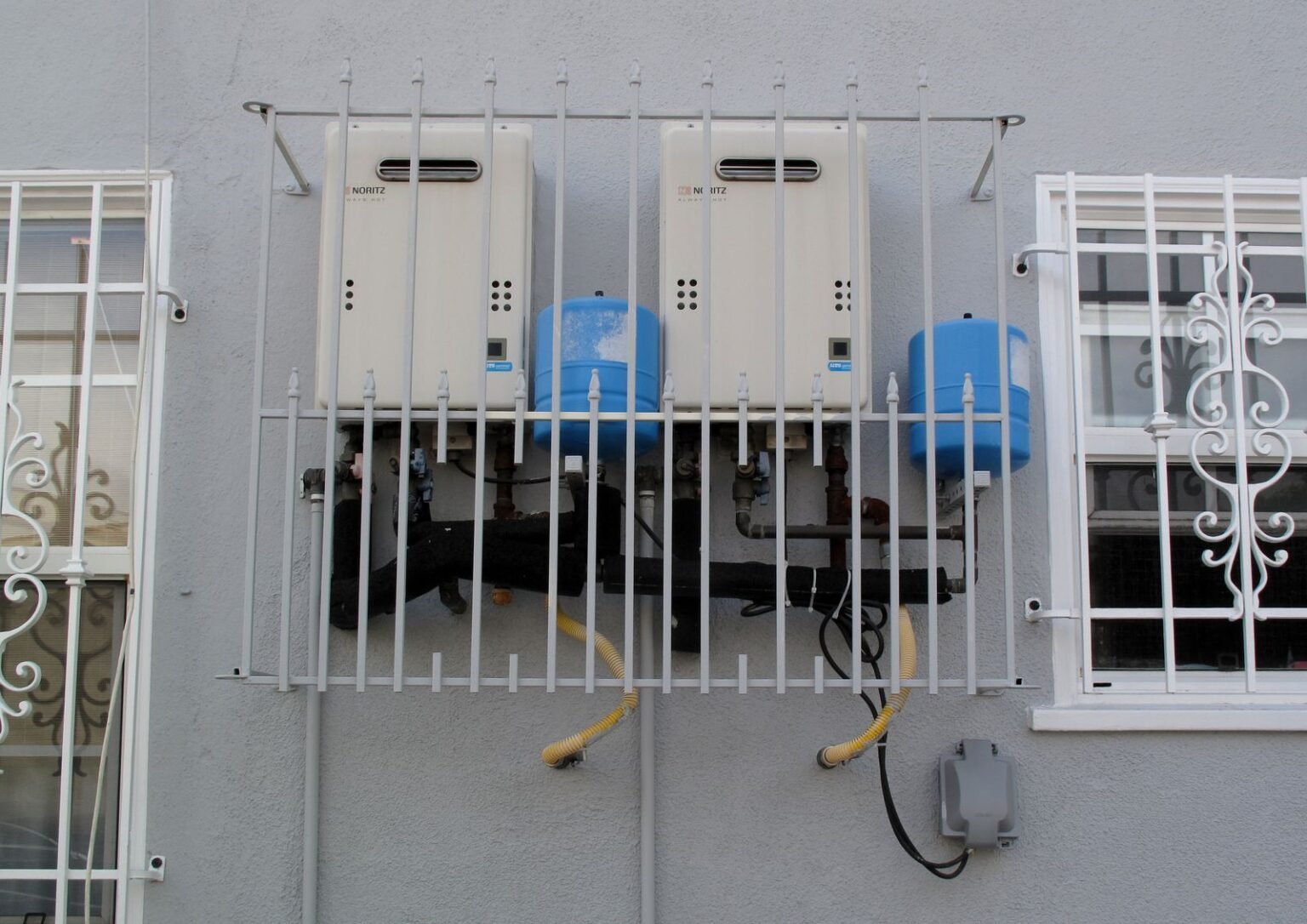
Tankless Water Heater Pros and Cons: Tank vs Tankless in Fort Collins
Tankless water heater pros and cons vs a tank: cost, lifespan, flow limits, altitude derating and when a heat pump fits better.
Photo: Downtowngal, CC BY-SA 4.0, via Wikimedia Commons
A tankless water heater costs more to install than a tank, but it can last more than 20 years against 10 to 15 for a tank, according to the U.S. Department of Energy (DOE), uses less energy and never runs out mid-shower. The trade-offs are a limit on how many fixtures it can serve at once, a minimum flow needed to fire and, for gas units, new venting, often a larger gas line and capacity lost to our altitude. Fort Collins Water Heater Pros installs tankless, tank and heat pump water heaters in Fort Collins, Loveland and across Larimer County, and we will tell you which one fits your home.
Call (970) 305-5633 for a written quote that compares a tank and a tankless water heater for your home.
Call nowTank vs tankless water heater at a glance
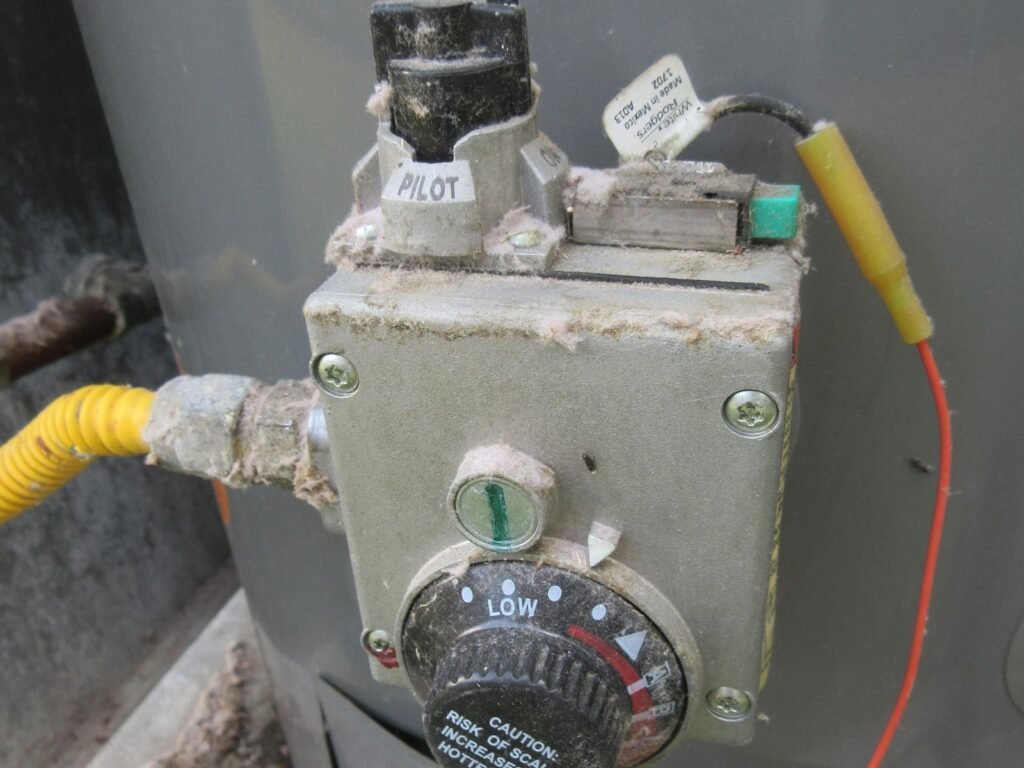
A tank is cheaper up front and simpler to replace; a tankless unit lasts longer and wastes less energy but needs more gas, venting and power. Costs below come from one source, Angi’s replacement cost guide updated July 20, 2026.
| Tank (storage) | Tankless (on demand) | |
|---|---|---|
| Installed cost (Angi) | $882 to $1,825 for a tank-style replacement, average $1,346 | $1,400 to $3,900 for a tankless replacement |
| Lifespan (DOE) | 10 to 15 years | More than 20 years |
| Efficiency (UEF; higher is better) | Federal minimum for a 50-gallon tank: gas about 0.56 to 0.63, electric about 0.92 to 0.93. ENERGY STAR gas tanks: 0.81 to 0.86 | Gas: federal minimum 0.81, ENERGY STAR 0.95 (condensing models) |
| Hot water supply | Set by the first-hour rating, then it must recover | Never runs out, but limited in gallons per minute |
| Space | Floor space for the tank | Compact unit on a wall |
| Maintenance | Drain sediment, check the anode rod | Flush or descale the heat exchanger, clean the inlet filter |
| Gas, venting and power | A like-for-like swap often reuses the gas line and vent | Often a ¾-inch gas line, new venting and a 120-volt outlet |
| In a power outage | A standing-pilot gas tank keeps heating | Stops heating |
How does a tankless water heater work?
When you open a hot tap, a flow sensor detects water moving through the unit and fires a gas burner or switches on electric elements, which heat the water as it passes through a heat exchanger. When the tap closes, the heat shuts off. DOE’s Building America guide notes that many units modulate their output to hold the set temperature as the flow changes.
Because nothing is stored, a tankless heater largely avoids standby losses, the heat a tank gives off while it waits. DOE says that makes on-demand heaters 24% to 34% more efficient than tanks in homes using 41 gallons of hot water a day or less, and 8% to 14% more efficient in homes using around 86 gallons. Condensing gas models add a second heat exchanger that recovers heat from the exhaust; ENERGY STAR says they use 9% less energy than conventional gas tankless heaters, and their condensate must be drained.
Tankless water heater pros and cons
Pros
- Longer life: more than 20 years, per DOE.
- Lower energy use, with the biggest percentage savings in homes that use less hot water.
- Hot water that does not run out while demand stays within the unit’s flow rating.
- Compact and wall-mounted, which frees floor space.
- Condensing models can earn ENERGY STAR (UEF 0.95 or higher), and ENERGY STAR certification counts as compliance with Colorado’s 2026 NOx rule for gas water heaters.
Cons
- Higher installed cost. This Old House’s tankless cost guide (updated June 12, 2026) says older homes may need the gas line upgraded from ½ inch to ¾ inch, adding $400 to $800, and venting through a wall or roof, another $400 to $800.
- A flow limit. DOE says gas units typically manage a 70°F temperature rise at about 5 gallons per minute and electric units about 2, so two showers and a dishwasher at once can outrun one unit, especially in winter when incoming water is colder.
- It needs electricity. DOE notes the controls do not work in a power outage, and Rinnai’s RU-series gas units run on 120 volts. Most whole-house electric models need 208 or 240 volts and 50 to 200 amps, which can mean a panel or service upgrade.
- Scale, though less of a worry here. DOE’s guide says hard water will damage a tankless unit, and Rinnai’s manual sets a 200 mg/L hardness limit and excludes scale damage from its warranty. Local water is soft: Loveland’s 2025 water quality report averages 24 mg/L, and Fort Collins Utilities calls its water naturally soft. Flushing on the manufacturer’s schedule still matters.
- Two quirks, the minimum flow rate and the cold-water sandwich, explained below.
Tanks cost less, deliver any flow down to a trickle and, in a like-for-like swap, often reuse the existing gas line and vent. A standing-pilot gas tank also keeps heating in a power outage, because A.O. Smith explains that its pilot generates the power for the gas control. On the other side are standby losses, a supply limited by the first-hour rating, a 10-to-15-year life and the floor space.
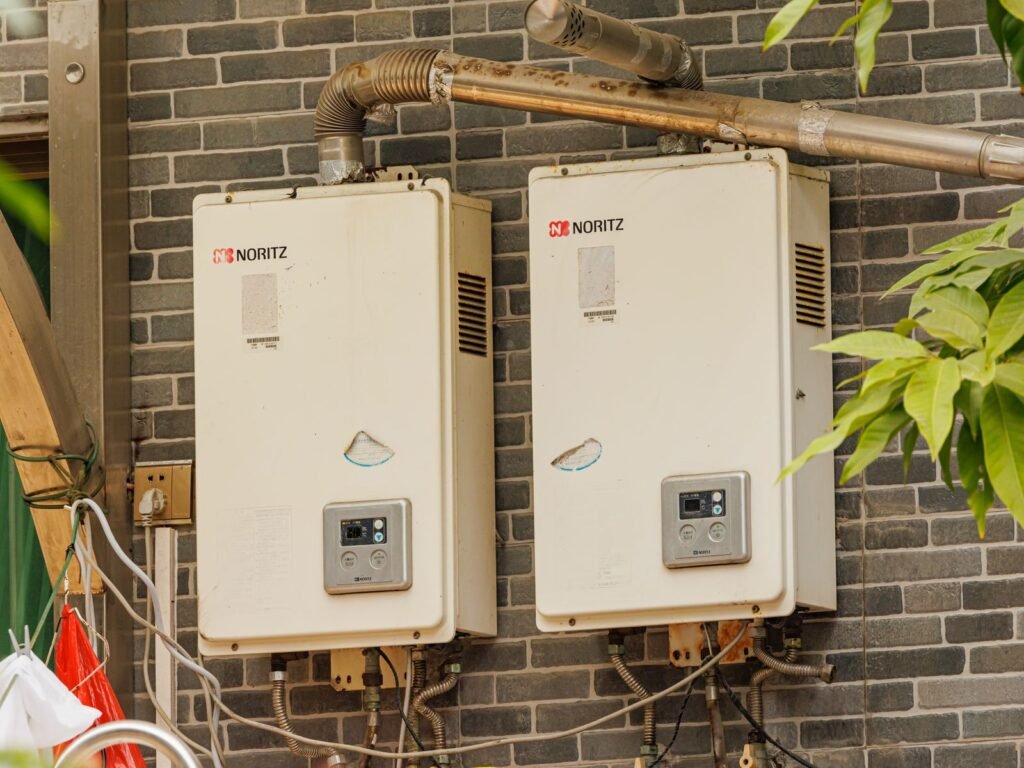
The cold-water sandwich and minimum flow rate
The cold-water sandwich is a few seconds of cold water when a hot tap is turned off and quickly back on, and the minimum flow rate is the smallest flow that makes a tankless unit fire, typically 0.4 to 0.9 gallons per minute according to DOE’s Building America guide.
DOE calls the sandwich a relatively infrequent, minor comfort issue. Most units stay ready to fire and relight within 1 to 2 seconds if water flows again within a minute, but safety standards require a delay in the ignition sequence, so it cannot be removed entirely. One remedy several manufacturers recommend is a storage tank on the hot outlet, which brings back some standby loss; Navien builds a 0.4-gallon buffer tank and a recirculation pump into its “A” condensing models to address it.
Rinnai’s RU-series spec sheet lists a minimum activation flow of 0.4 gallons per minute, and its manual says water that alternates between hot and cold can mean the flow is at or near the minimum. A trickle at a bathroom sink may never fire the burner; opening the tap further usually solves it.
Altitude: why gas tankless units lose capacity here
The fuel gas code requires gas flow to be adjusted for altitude above 2,000 feet, and every town we serve sits above 4,600 feet, from Greeley at 4,674 to Estes Park at 7,530 (USGS). Less input means fewer gallons per minute at the same temperature rise.
Rinnai sets its units by elevation band. One of its 199,000 Btu/h natural gas models derates to 170,000 Btu/h between 2,001 and 5,200 feet, about 15% less, which covers Fort Collins, Loveland, Windsor, Greeley and Longmont at their USGS reference points. Between 5,201 and 7,700 feet, which takes in Masonville, Livermore, Estes Park and Wellington’s reference point, it drops to 153,000 Btu/h, about 23% less. Navien’s NPE-2 natural gas units need a high-altitude conversion kit at 5,400 feet or higher: Livermore and Estes Park, not Fort Collins or Loveland.
The right setting depends on your home’s own elevation, and Rinnai warns that wrong settings can make its heaters run unsafely and void the warranty. Electric tankless units burn no gas, so the derate does not apply to them. Our guide to what size water heater you need shows how the derate changes the flow you can count on.

When a heat pump water heater is the better choice
If you heat water with electricity now, compare a heat pump water heater before choosing electric tankless. DOE says heat pump models can be two to three times more efficient than conventional electric resistance water heaters, while its Building America guide warns that whole-house electric tankless units can be cost prohibitive to run in cold regions.
A heat pump water heater moves heat from the surrounding air into a tank instead of making heat directly. ENERGY STAR estimates a certified model saves a household of four about $550 a year compared with a standard electric water heater, assuming electricity at 14.6 cents per kWh. ENERGY STAR says it needs an interior space that stays between 40°F and 90°F year-round with about 1,000 cubic feet of air around it, it can cool the room it sits in, and its condensate needs a drain or pump.
For installs on or after January 1, 2026, Colorado gives the installing company a $250 state tax credit per ENERGY STAR heat pump water heater, and at least $83 of it must appear as a discount on your invoice; the federal credit covered improvements made through 2025. Our post on whether heat pump water heaters are worth it goes deeper.
Is a tankless water heater worth it, or is a tank better?
Tankless is worth it when you want long life and endless showers, your household uses hot water in moderate amounts and your home can supply the gas, venting and power; a tank is better when the lowest price, heavy simultaneous use or hot water during outages matters most.
- Choose tankless if you run out of hot water with a tank, floor space is tight, you plan to stay long enough to benefit from the longer life, and your home can take a ¾-inch gas line and new venting.
- Choose a tank if you want the lowest installed price, several showers and appliances often run at once, your household makes lots of small trickle draws, or you want hot water in a power outage from a standing-pilot gas model.
- Consider a heat pump if you heat with electricity now and have a suitable basement or utility room.
Every installation is done by licensed plumbers under a permit, and our written quote lists the unit, its flow at your temperature rise and altitude setting, the gas line and venting work, and haul-away of the old tank. Our tankless water heater installation page explains how we size and set up units; if your current tank is failing, start with water heater replacement in Fort Collins.
Tank vs tankless FAQ
Is a tankless water heater worth it in Fort Collins?
It can be, if you want a heater that lasts more than 20 years and never runs out, and your home can supply the gas, venting and power. Expect a higher installed price, and plan for the altitude derate: one Rinnai model loses about 15% of its input at Fort Collins’ elevation.
Can a tankless water heater run out of hot water?
Not the way a tank does, but it can heat only so many gallons per minute. DOE puts gas units at about 5 gallons per minute and electric units at about 2 for a 70°F rise, so too many fixtures at once means cooler water.
What is involved in switching from a tank to tankless?
Mounting the unit, new venting for a gas model, often a ¾-inch gas line, a 120-volt outlet and a permit. Whole-house electric units need 208 or 240 volts and 50 to 200 amps, which can mean a panel upgrade.
Does altitude affect a tankless water heater?
Gas models, yes. One Rinnai 199,000 Btu/h unit derates to 170,000 Btu/h in Fort Collins and Loveland and 153,000 Btu/h in Estes Park, and Navien’s NPE-2 needs a high-altitude kit at 5,400 feet or higher.
Why does my tankless water heater turn cold for a few seconds?
That is the cold-water sandwich: cold water slips into the hot line when a tap goes off and quickly back on, before the burner relights. DOE calls it minor and uncommon, and a small buffer tank, or a model with one built in, reduces it.
Why won’t my tankless water heater fire at low flow?
Each unit needs a minimum flow to start, typically 0.4 to 0.9 gallons per minute according to DOE. Open the tap further; Rinnai says flow near the minimum can also make water swing between hot and cold.
Keep reading
Related guides

Are Heat Pump Water Heaters Worth It? Pros, Cons and Payback in Fort Collins
Are heat pump water heaters worth it? Honest pros and cons, a payback example with 2026 rebates and Colorado winter tips.
Read guide
How to Descale a Tankless Water Heater: Steps and How Often
How to descale a tankless water heater with a pump and vinegar, per Rinnai, Navien and Noritz manuals, and how often on Fort Collins’ soft water.
Read guide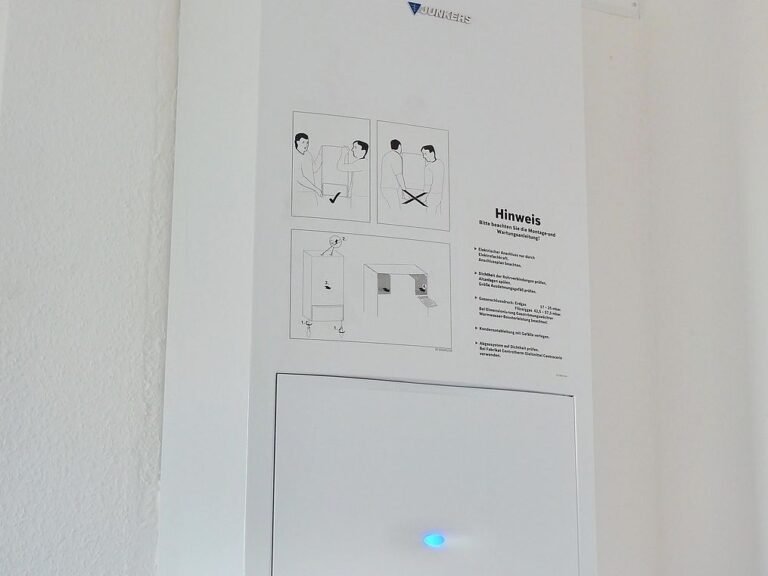
Tankless Water Heater Error Codes: What Rinnai Code 11 and 12, Navien E003 and Noritz 11 Mean
Rinnai code 11 means no ignition and code 12 a lost flame. What Rinnai, Navien and Noritz codes mean, safe checks and when to call a plumber.
Read guideWater heater trouble?
Call for a diagnosis and a written quote.
Call to have our licensed plumbers size, permit and install the right tank, tankless or heat pump water heater for your home.

Water heater replacement, repair and tankless installation for Fort Collins, Loveland and Larimer County. Written, itemized quotes and licensed plumbers.
Call (970) 305-5633